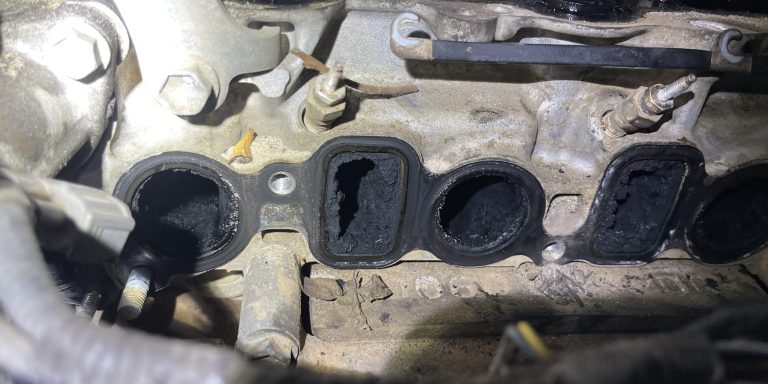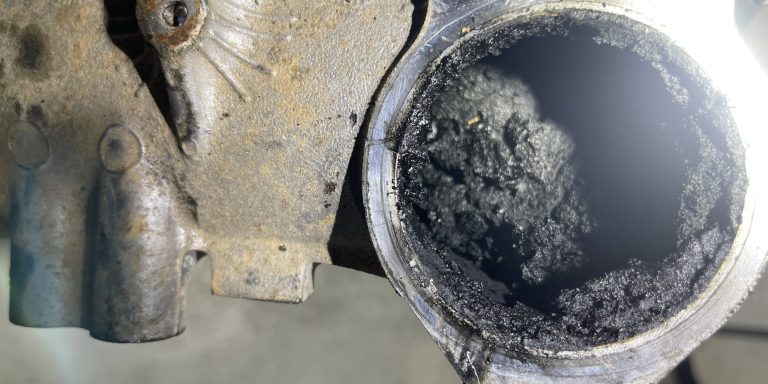
Why Your Vehicle Needs an Oil Catch Can
When it comes to keeping your engine running smoothly and efficiently, some components work behind the scenes to make all the difference. One such unsung hero is the oil catch can.
While it might not grab headlines, this small but mighty device plays a crucial role in reducing engine wear and maintaining performance. Basically, that’s even more important now with Australia’s latest vehicle emissions laws pushing for cleaner and more efficient engines.
Tighter Regulations
With stricter regulations on vehicle emissions now in effect, reducing carbon buildup in your engine isn’t just about better performance; it’s about doing your part to meet these new standards.
An oil catch can helps by trapping oil vapours and contaminants before they can recirculate into the intake system, keeping your engine cleaner, more efficient, and compliant with modern emissions rules.
What Is an Oil Catch Can?
An oil catch can is a device installed within a vehicle’s Positive Crankcase Ventilation (PCV) system. Its primary function is to intercept oil vapours and other contaminants before they can re-enter the engine’s intake manifold. By capturing these impurities, the catch can prevent them from accumulating on vital engine parts, thereby promoting cleaner and more efficient operation.
Benefits of Installing an Oil Catch Can
- Prevents Carbon Buildup: By trapping oil vapours, the catch can reduce the likelihood of carbon deposits forming on intake valves and other components, a common issue in direct injection engines.
- Enhances Engine Performance: A cleaner intake system ensures an optimal air-fuel mixture, leading to improved combustion and overall engine efficiency.
- Extends Engine Lifespan: By preventing harmful deposits, the catch can contribute to the longevity of engine components, reducing premature wear and tear.
- Improves Fuel Efficiency: Maintaining a clean intake system leads to better fuel economy, as the engine operates more efficiently.
- Reduces Emissions: By capturing oil vapours, the catch can help lower the emission of harmful pollutants, contributing to a greener environment.
Injector Service and Replacement Specialists

Who Benefits Most from an Oil Catch Can?
Oil catch cans are particularly advantageous for vehicles with engines prone to carbon buildup, especially those with direct injection systems. Below are some common categories of vehicles that benefit:
Turbocharged and Supercharged Engines
- Volkswagen/Audi: TSI and TFSI engines (e.g., Golf GTI, Audi A4, Audi Q5).
- Ford EcoBoost: Models like the Focus, Escape, and Ranger.
- BMW: Turbocharged engines such as the N54, N55, and B58 (e.g., 3 Series, X5).
- Hyundai/Kia: Turbocharged models like the i30 N, Tucson, and Kia Stinger.
Direct Injection Petrol Engines
- Toyota: Models like the Corolla, RAV4, and Hilux.
- Mazda: SKYACTIV-G engines in the Mazda3, CX-5, and CX-30.
- Subaru: FA20DIT engines in the WRX and Forester XT.
- Honda: Turbocharged engines like the 1.5L VTEC Turbo in the Civic and CR-V.
Diesel Engines
- Toyota: LandCruiser and Hilux.
- Nissan: Navara.
- Mitsubishi: Triton and Pajero Sport.
- Ford: Ranger.
- Isuzu: D-MAX and MU-X.
Performance and Track Cars
- Nissan GT-R
- Porsche 911 and Cayman
- Chevrolet Camaro and Corvette
- Ford Mustang
- Toyota GR Supra
Older Engines or High-Mileage Vehicles
- Holden: Commodore V6 and V8 models.
- Toyota: Prado and LandCruiser.
- Mazda/Ford: BT-50 and older Ranger diesel models.
Why Australian Drivers Should Consider an Oil Catch Can
Australia’s diverse driving conditions, from urban commutes to rugged outback adventures, place significant demands on vehicle engines.
In addition, factors such as high temperatures, dust, and extended driving periods can exacerbate the challenges faced by the PCV system. Equally, installing an oil catch can is a proactive measure to safeguard your engine against these challenges, ensuring reliable performance across Australia’s varied landscapes.
Choosing the Right Oil Catch Can
When selecting an oil catch can, consider:
- Quality: Opt for catch cans made from durable materials to withstand Australia’s harsh conditions.
- Capacity: Ensure the catch can has adequate capacity for your engine size and driving habits.
- Maintenance: Choose a design that allows easy inspection and cleaning.
Professional Installation Matters
While some enthusiasts may attempt a DIY installation, seeking professional assistance is advisable. Proper placement and secure connections are crucial for the catch can to function effectively. At Intake Cleaning, we offer expert installation services, ensuring your oil catch can is set up correctly for maximum benefits.
Maintenance Tips for Oil Catch Cans
- Regular Cleaning: Empty the can periodically to prevent overfilling and ensure efficient operation.
- Filter Replacement: Replace the filter every 15,000 to 35,000 kilometres, depending on driving conditions.
- Inspect Seals and Hoses: Check for leaks or damage to maintain optimal performance.
The Last Word
For Australian drivers who want to optimise their vehicle’s performance and longevity, an oil catch can is therefore a smart investment. In fact, by preventing harmful contaminants from entering the engine, these devices not only improve efficiency but also enhance power and durability.
Moreover, whether you’re behind the wheel of a turbocharged powerhouse or a reliable family car, an oil catch can helps ensure that your engine remains in peak condition, mile after mile.
To learn more or to schedule an installation, visit our Oil Catch Can Installation page or contact us directly. In addition, stay informed with our automotive care tips so you can keep your vehicle running smoothly in all Australian conditions.