Understanding PCV Valves and Their Role in Preventing Carbon Buildup
Understanding PCV Valves and Their Role in Preventing Carbon Buildup
The Positive Crankcase Ventilation (PCV) valve is an often overlooked but vital component in your vehicle’s engine. Designed to reduce harmful emissions and maintain engine health, the PCV valve also plays a significant role in managing carbon buildup in the intake system. Understanding how this small part impacts your car’s performance can save you from costly repairs and improve overall efficiency.
What Is a PCV Valve?
The PCV valve is part of the engine’s emissions control system. It works by redirecting gases, known as “blow-by,” from the crankcase back into the intake manifold. These gases are then burned in the combustion process, reducing emissions and preventing excessive pressure buildup in the engine.
Without a functioning PCV valve, unburned fuel, oil vapour, and moisture can accumulate in the crankcase. Over time, this can lead to the formation of engine sludge and exacerbate carbon deposits in the intake system.
How Does the PCV System Help Prevent Carbon Buildup?
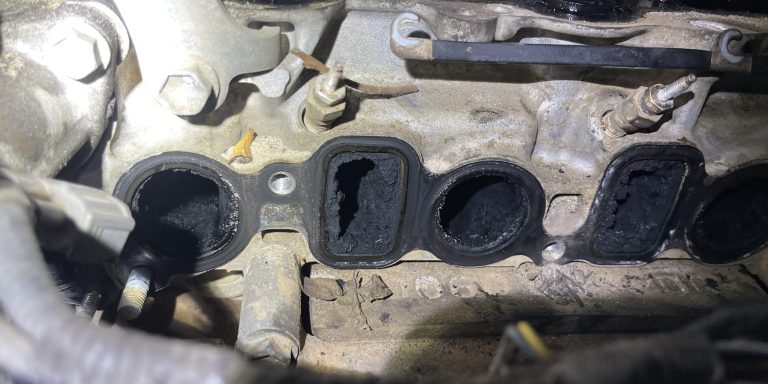
One of the primary causes of carbon buildup in modern engines is the interaction between oil vapours and intake air. In direct-injection engines, fuel is injected directly into the combustion chamber, bypassing the intake valves. This means the intake valves are not cleaned by the fuel’s detergents, leaving them vulnerable to carbon deposits.
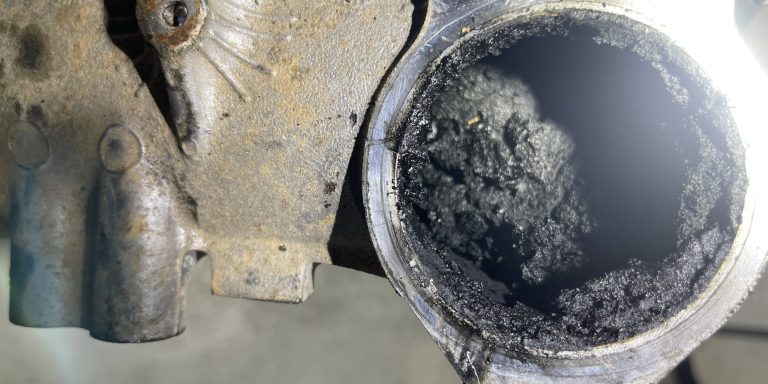
The PCV system mitigates this by managing the flow of blow-by gases. A properly functioning PCV valve prevents oil vapours from pooling in the intake system, reducing the likelihood of carbon buildup on the intake valves and other components.
Symptoms of a Faulty PCV Valve
A failing PCV valve can lead to various engine problems, including:
- Excessive Carbon Buildup: Increased deposits on intake valves can lead to rough idling, engine misfires, and reduced fuel efficiency.
- Oil Leaks: Pressure buildup in the crankcase can cause seals and gaskets to fail, resulting in oil leaks.
- Sludge Formation: ithout proper ventilation, moisture and fuel vapours can combine with oil, leading to engine sludge.
- Check Engine Light: A malfunctioning PCV system can trigger diagnostic trouble codes related to emissions or air-fuel mixture issues.
Specialists in ECU Tuning and Diagnostics

Models Particularly Affected by PCV Issues
Many modern vehicles, especially those with turbocharged or direct injection engines, are more prone to PCV-related carbon buildup. This includes popular models such as:
- Volkswagen and Audi TSI/FSI engines
- BMW N54/N55 turbocharged engines
- Ford EcoBoost engines
- Hyundai and Kia GDI engines
Regular maintenance of the PCV system is crucial for these vehicles to prevent severe carbon buildup and maintain optimal performance.
Maintenance Tips for Your PCV System
- Inspect the PCV Valve Regularly: Check the valve every 20,000 to 30,000 kilometres or as recommended in your vehicle’s service manual. Replace it if it’s clogged or damaged.
- Perform Intake Cleaning: Periodic walnut shell blasting or chemical cleaning can remove existing carbon deposits from intake valves, complementing the PCV system’s function.
- Install an Oil Catch Can: An oil catch can trap oil vapours before they reach the intake system, further reducing the risk of carbon buildup.
- Choose Quality Oils: High-quality, low-volatility engine oils produce fewer vapours, decreasing the load on the PCV system.
The Last Word
The PCV valve is more than just a simple emissions control component; it’s integral to preventing harmful carbon buildup and maintaining engine health. For Australian drivers, regular inspection, maintenance, and complementary services like intake cleaning or oil catch installation can significantly enhance vehicle performance and longevity.
At Intake Cleaning, we specialise in carbon removal services, including PCV system inspections, walnut blasting, and oil catch can installations.