
AUDI SQ 2.0 TDI & SQ5 3.0 TDI INTAKE CLEANING
Professional Intake Manifold, EGR & Carbon Cleaning for Audi Diesel Engines
Carbon buildup is a well-known issue across modern Audi diesel engines, particularly performance-focused models like the Audi SQ5 3.0 TDI and the 2.0 TDI range. While these engines are engineered for strong performance and efficiency, the combination of EGR operation, direct injection technology and crankcase vapours leads to gradual carbon accumulation inside the intake system. Over time, this buildup restricts airflow and can noticeably affect engine performance, fuel economy and drivability. At Intake Cleaning, we provide specialist Audi intake cleaning services using full mechanical dismantling, professional cleaning processes and walnut shell blasting to restore proper airflow and engine efficiency.WHY AUDI DIESEL ENGINES BUILD UP CARBON
Audi diesel engines operate using an EGR system designed to reduce emissions by recirculating exhaust gases back into the intake system.
The downside of this process is that soot particles mix with oil vapours inside the intake tract, gradually forming thick carbon deposits in key areas such as:
- intake manifold
- EGR valve
- EGR cooler
- throttle body
- intake ports
This buildup develops slowly over time, meaning many drivers don’t notice the issue until performance begins to drop.
COMMON SYMPTOMS IN AUDI SQ 2.0 TDI & SQ5 3.0 TDI ENGINES
Reduced Acceleration & Throttle Response
One of the earliest signs of intake restriction is a change in how the vehicle responds under acceleration. You may notice:- delayed throttle response
- reduced pulling power
- sluggish acceleration
- turbo lag
- lack of mid-range performance
The vehicle may still drive, but it loses the sharpness and smooth power delivery Audi engines are known for.
Increased Fuel Consumption
As airflow becomes restricted, the engine management system compensates to maintain performance.
This often results in:
- higher fuel usage
- reduced driving range
- increased soot output
- more frequent DPF regenerations
Fuel economy typically declines gradually as carbon buildup worsens.
Rough Idle & Engine Behaviour Changes
Carbon deposits inside the intake system can disrupt airflow balance, leading to:
- uneven idle
- slight engine vibration
- hesitation at low speeds
- inconsistent power delivery
These symptoms are often more noticeable in stop/start traffic.
Excess Smoke & DPF Strain
Restricted airflow can cause incomplete combustion, which may lead to:
- black exhaust smoke under acceleration
- increased soot production
- added strain on the DPF system
- more frequent regeneration cycles
Left unchecked, this can contribute to ongoing DPF-related issues.
AUDI SQ5 3.0 TDI – PERFORMANCE IMPACT
The SQ5 3.0 TDI is a high-output turbocharged diesel engine that relies heavily on clean, unrestricted airflow to maintain performance.
When intake carbon buildup becomes severe, it can:
- reduce turbo efficiency
- increase exhaust back pressure
- affect boost consistency
- dull overall performance feel
Because this engine is tuned for performance, even moderate restriction can be noticeable in everyday driving.
Maintaining a clean intake system helps preserve:
- turbocharger response
- engine efficiency
- smooth power delivery
- long-term reliability
AUDI 2.0 TDI – EFFICIENCY & RELIABILITY CONCERNS
The 2.0 TDI engine is widely used across Audi models and is known for efficiency, but it is also prone to intake clogging over time.
If left uncleaned, carbon buildup can contribute to:
- ongoing fuel economy decline
- reduced drivability in city driving
- increased EGR system strain
- DPF regeneration issues
- gradual loss of performance
Early intervention helps prevent more serious long-term restriction.
In more advanced cases, warning lights or limp mode may occur.
OUR AUDI INTAKE CLEANING PROCESS
Full System Cleaning Approach
We carry out a complete intake system service to ensure all carbon buildup is properly removed rather than temporarily treated.
Components Cleaned
- Intake manifold
- EGR valve
- EGR cooler
- Throttle body
- Intake piping
All components are dismantled, manually cleaned and processed using professional equipment where required.
We do not rely on spray-in or chemical-only solutions, as they do not fully remove hardened carbon deposits.
WALNUT SHELL BLASTING
Once the intake manifold is removed, we use walnut shell blasting to safely clean carbon deposits from the intake ports.
This method is highly effective because it:
- removes hardened carbon buildup
- restores proper airflow into cylinders
- does not damage aluminium surfaces
- improves combustion efficiency
It is one of the most reliable methods for restoring intake performance on modern diesel engines.
AUDI MODELS WE SERVICE
We commonly perform intake cleaning on:
- Audi SQ5 3.0 TDI
- Audi Q5 3.0 TDI / 2.0 TDI
- Audi A4 2.0 TDI
- Audi A6 2.0 TDI / 3.0 TDI
- Audi A7 TDI variants
- VW / Audi platform shared diesel engines
HOW OFTEN SHOULD AN AUDI INTAKE BE CLEANED?
Carbon buildup typically becomes significant between:
- 80,000km – 150,000km
Vehicles used mainly for:
- short trips
- city driving
- stop/start traffic
- light load driving
may experience buildup sooner.
Regular intake maintenance is an important preventative service for keeping Audi diesel engines performing properly.
BENEFITS OF A PROFESSIONAL INTAKE CLEAN
After a full intake clean, many Audi owners notice:
- improved throttle response
- smoother acceleration
- reduced turbo lag
- better fuel economy
- cleaner engine operation
- fewer DPF issues
- restored drivability
Most importantly, a clean intake system helps reduce strain on:
- turbochargers
- EGR components
- DPF system
- engine internals
WHY CHOOSE INTAKE CLEANING
Diesel Intake Specialists
We focus specifically on:
- intake manifold cleaning
- EGR system cleaning
- walnut shell blasting
- diesel carbon removal
Proper Mechanical Cleaning
We physically dismantle and clean the intake system to ensure carbon is fully removed from all affected areas.
This provides a far more effective result than chemical or spray-based treatments.
Professional Equipment
We use dedicated walnut blasting and professional cleaning equipment suited to modern Audi diesel engines.
Our process is designed to fully restore airflow rather than temporarily improve symptoms.
BOOK YOUR AUDI INTAKE CLEAN
If your Audi is experiencing:
- loss of power
- increased fuel use
- rough idle
- DPF issues
- reduced responsiveness
your intake system may be restricted with carbon buildup.
Contact Intake Cleaning today to book a professional Audi SQ 2.0 TDI or SQ5 3.0 TDI intake cleaning service.
We tune the car you drive
ECU Remapping:
We customise your vehicle’s Engine Control Unit (ECU) to optimise performance, ensuring a more responsive and efficient drive.
Intake Carbon Removal:
Our Intake Carbon Removal service thoroughly cleans your intake system, improving airflow and restoring engine efficiency.
EGR Valve Cleaning:
Over time, carbon buildup can clog the valve, causing poor engine performance, increased emissions, and even engine damage.
Injector Service & Replacement:
When injectors become clogged or damaged, it can result in rough idling, decreased fuel efficiency, and engine misfires.
Oil Catch Can Installation:
By installing an oil catch can, you can prolong the life of your engine and maintain better performance.
Engine Diagnostics:
Our Engine Diagnostics service uses state-of-the-art tools to accurately identify issues within your engine, fuel system, and emissions control components.
We can tune most car manufacturers
- BMW
- Mercedes-Benz
- Audi
- Lexus
- Volvo
- Jaguar
- Land Rover
- Toyota
- Mazda
- Hyundai
- Kia
- Mitsubishi
- Ford
- Subaru
- Honda
- Nissan
- Volkswagen
- Isuzu
- Jeep
- Ram
- Skoda
- Suzuki
- Peugeot
- Renault
- Fiat
- Alfa Romeo
NON-PERFORMANCE
We specialise in tuning both performance and non-performance vehicles. Here’s a look at some of the most popular everyday cars we work with:
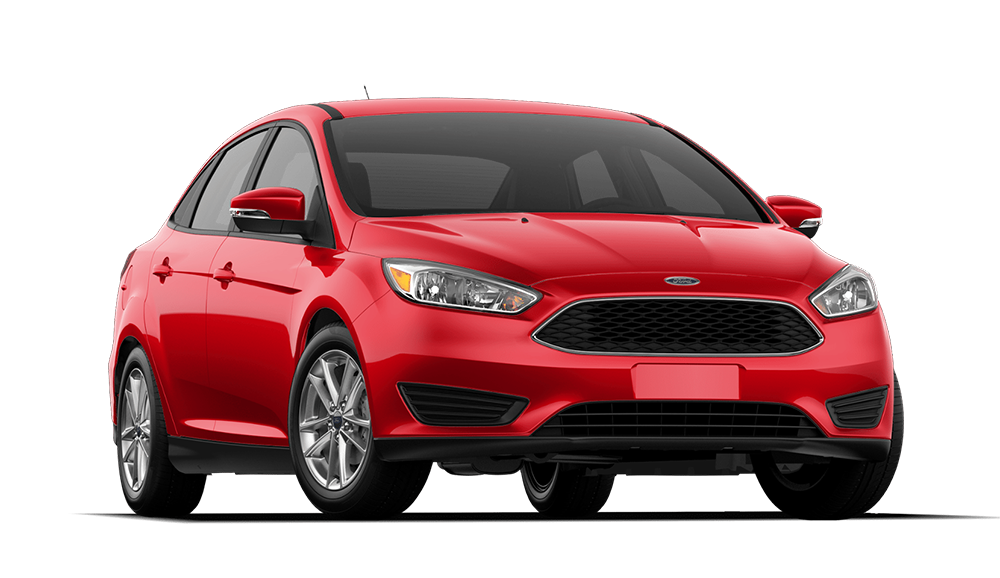
Ford
- Focus (Non-ST, Non-RS models): : Enjoy a more responsive throttle and smoother power delivery for city and highway driving.
- Ranger: : Particularly in turbo-diesel variants, tuning improves towing capacity, torque, and fuel efficiency.
Honda
- Accord:: A tuning upgrade makes this reliable family car feel livelier while maintaining its hallmark dependability.
Hyundai
- i30: : Particularly effective in turbocharged models, ECU tuning enhances performance and driving dynamics.
- Tucson & Santa Fe:: Popular family SUVs that gain smoother drivability and better fuel efficiency with a tune.
Kia
- Cerato: : A practical hatchback or sedan that becomes more engaging to drive with improved throttle response.
- Sorento & Sportage: : Both SUVs benefit from increased torque, refined driving dynamics, and enhanced fuel economy.
Mazda
- Mazda 3:: A fun-to-drive compact car made even better with a tune that enhances its sporty handling.
- CX-5: : Known for its agile performance, ECU tuning helps unlock better mid-range power and efficiency.
Mitsubishi
- Outlander:: This versatile family SUV becomes smoother and more efficient with tailored ECU adjustments.
- Triton: : Diesel variants gain increased towing power and torque for work and play.
PERFORMANCE
We tune a wide range of performance vehicles. Some of the most popular makes and models we work with include:

AUDI
- S and RS Series: : Turbocharged and supercharged masterpieces that deliver even greater thrills with a proper tune.
BMW
- M3 and M4:: Turbocharged six-cylinder icons that respond exceptionally well to performance tweaks.
FORD
- Falcon XR6 Turbo and XR8:: Alongside FPV models, these Australian classics shine with optimised power delivery.
- Mustang EcoBoost: : The turbocharged variant is a hidden gem that ECU tuning truly brings to life.
HOLDEN
- Commodore (SS, SSV Redline): : Long-time favourites for their performance, these cars thrive with tuning enhancements.
- HSV Maloo:: High-performance utes like the Maloo benefit from fine-tuned drivability and torque.
HONDA
- Civic Type R: : Generations such as the EK9, EP3, and FK8 are legendary for their tuning potential.
MERCEDES-BENZ
- AMG Models: : Handcrafted performance machines that ECU tuning elevates to new heights.
MAZDA
- RX-7 (FD3S): : A rotary icon, offering massive tuning potential for enthusiasts.
- MX-5:: Known for its handling, ECU tweaks enhance its responsiveness and power.
MITSUBISHI
- Lancer Evolution:: A rally-bred legend with incredible scope for performance improvements.
- 3000GT/GTO: : A twin-turbo V6 powerhouse from the ’90s that delivers impressive gains with tuning.
NISSAN
- Skyline GT-R (R32, R33, R34): : Famed RB-series engines are a tuner’s dream.
- 350Z/370Z: : V6-powered successors that respond well to ECU remapping.
- Silvia (S13, S14, S15): : Drift legends with turbocharged engines ripe for optimisation.
PORSCHE
- 911 Turbo and Turbo S: : These models reach supercar-rivalling performance with tailored ECU adjustments.
SUBARU
- WRX and WRX STI: : Turbocharged Boxer engines with rally heritage can be tuned to deliver jaw-dropping power.
TOYOTA
- 86/Subaru BRZ: : Joint venture sports cars that thrive with custom ECU maps.
- Supra (Mk4, A80): : The legendary 2JZ-GTE engine is an icon in the tuning world.
VOLKSWAGEN
- Golf GTI and R: : Turbocharged hot hatches that offer exhilarating performance gains.
PERFORMANCE UTE
From the Volkswagen Amarok, Toyota HiLux GR Sport, to the Isuzu D-Max, Nissan Navara and Toyota HiLux GR Sport; we have fast utes covered.
More Than Workhorses
For Aussies with a passion for performance, utes aren’t just workhorses—they’re the ultimate platform for power, style, and individuality. From the factory floor, models like the Toyota HiLux GR Sport, Volkswagen Amarok, and Nissan Navara PRO-4X Warrior already offer impressive capabilities. But for those who crave more, ECU tuning takes these vehicles to the next level, unlocking their untapped potential for thrilling performance and enhanced drivability.
Performance Tuning
Whether it’s squeezing out extra torque for towing or dialing up throttle response for off-road adventures, ECU tuning transforms everyday utes into high-performance machines. Turbo-diesel engines, common in models like the Isuzu D-Max and Toyota HiLux, respond exceptionally well to custom tuning, delivering smoother power delivery, sharper acceleration, and even better fuel efficiency. For rev heads who want their ute to stand out at the track, on the trail, or simply at the next meet-up, a finely tuned ECU ensures these versatile vehicles live up to their full potential—while still tackling the toughest jobs with ease.