The Causes of Carbon Buildup in Modern Cars
Gasoline Direct Injection (GDI) Engines
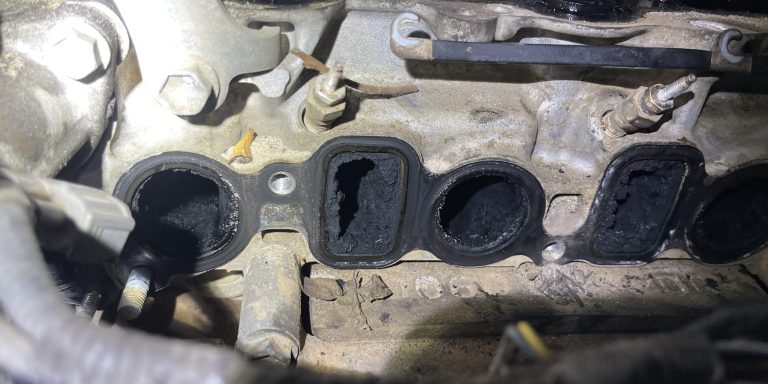
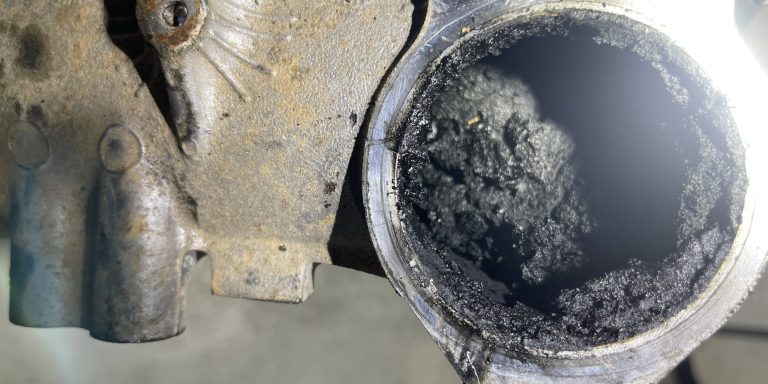
Many modern vehicles are equipped with GDI technology for improved fuel efficiency and performance. Unlike traditional port fuel injection systems, GDI injects fuel directly into the combustion chamber, bypassing the intake valves. While this offers significant efficiency gains, it also removes the “self-cleaning” effect of fuel washing over the intake valves. Over time, oil vapours, soot, and other residues can accumulate on the valves, leading to performance issues.
Stop-Start Technology
Modern stop-start systems, designed to save fuel by turning off the engine when idling, can inadvertently contribute to carbon buildup. Frequent engine restarts increase the likelihood of unburnt fuel and oil vapours settling in the intake system. Additionally, stop-start cycles often prevent the engine from reaching optimal operating temperatures, which iscrucial for burning off carbon deposits.
Driving Habits and Modern Traffic Conditions
Urban driving with frequent stops, short trips, and low engine loads can exacerbate carbon buildup. These conditions prevent the engine from reaching the high temperatures needed to clear out residues naturally.
Modern congestion and traffic-calming measures, such as the increased prevalence of 30 km/h and 50 km/h zones, further contribute to the problem. Prolonged idling in traffic, combined with slower speeds, prevents engines from operating efficiently and exacerbates the formation of carbon deposits. As cities prioritise safety and reduce emissions through such measures, the unintended consequence is an increased risk of carbon buildup in modern engines.
Oil and Exhaust Recirculation
Modern engines often use Exhaust Gas Recirculation (EGR) systems to reduce emissions and positive crankcase ventilation (PCV) systems to control oil vapour. While beneficial for the environment, these systems can reintroduce soot and oil vapours into the intake system, contributing to carbon deposits over time.