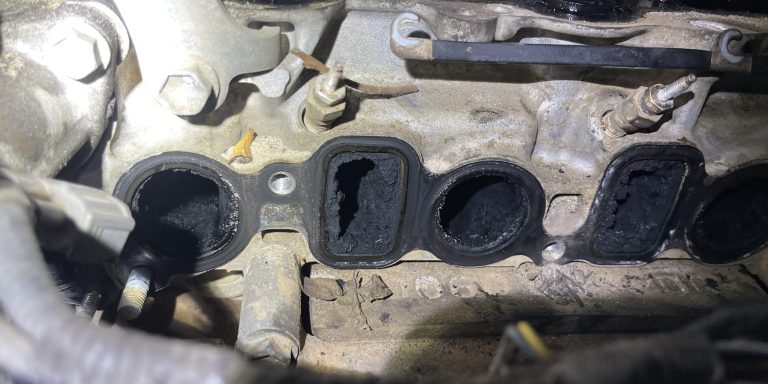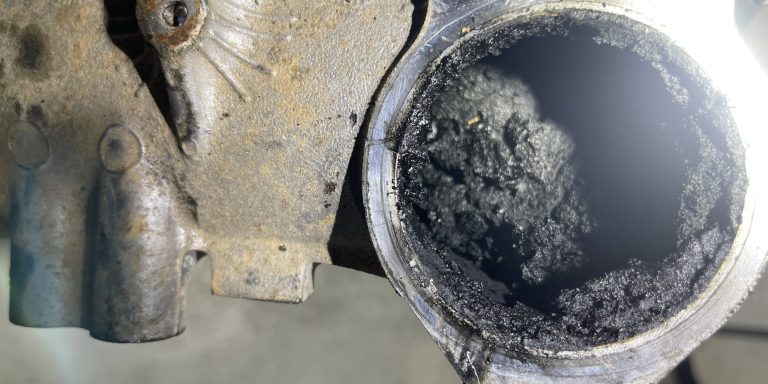
Walnut shell blasting is a cutting-edge technique used to remove carbon buildup in engine, particularly in modern direct injection (DI) engines. This eco-friendly method employs finely crushed walnut shells to effectively clean engine components without causing damage. But how did this technique originate, and why has it become a staple for brands like BMW? Let’s dive into its history, technical benefits, and extensive application.
The Origins of Walnut Shell Blasting
The practice of using walnut shells as an abrasive medium traces back to the mid-20th century, when industries sought safer and more sustainable alternatives to sandblasting. Walnut shells, being biodegradable, non-toxic, and gentle on surfaces, became a preferred choice in aerospace and automotive applications.
It’s unclear who specifically pioneered walnut shell blasting for engine cleaning, but its widespread adoption can be credited to German automotive engineers. They discovered that walnut shells could clean intricate engine parts, like intake valves, without scratching or damaging sensitive surfaces. This discovery proved particularly useful as engine designs became more sophisticated and compact.
Why BMW Championed Walnut Shell Blasting
BMW was one of the first automakers to extensively use walnut shell blasting for maintenance of its engines, especially the turbocharged and direct injection models. Here’s why: