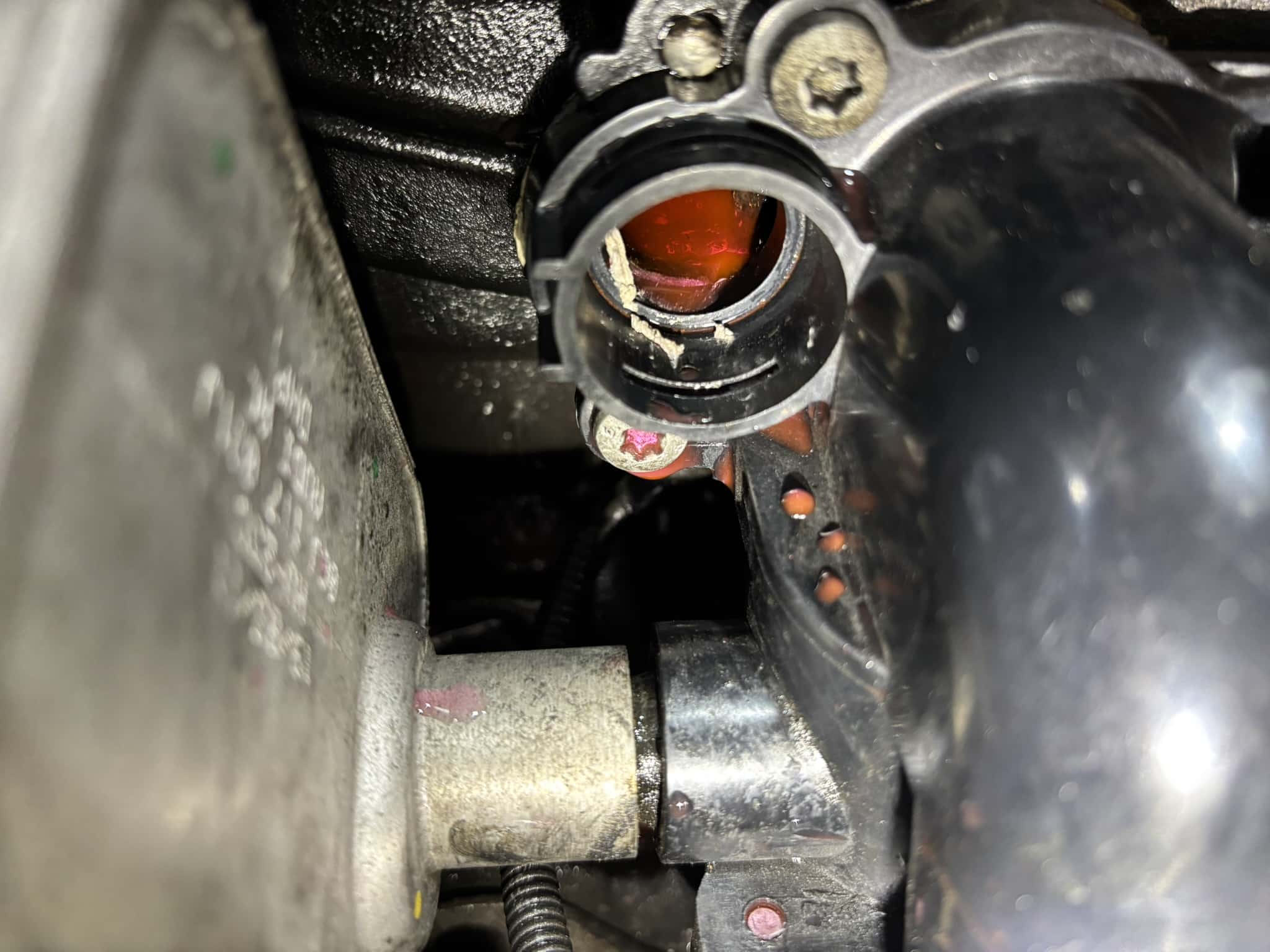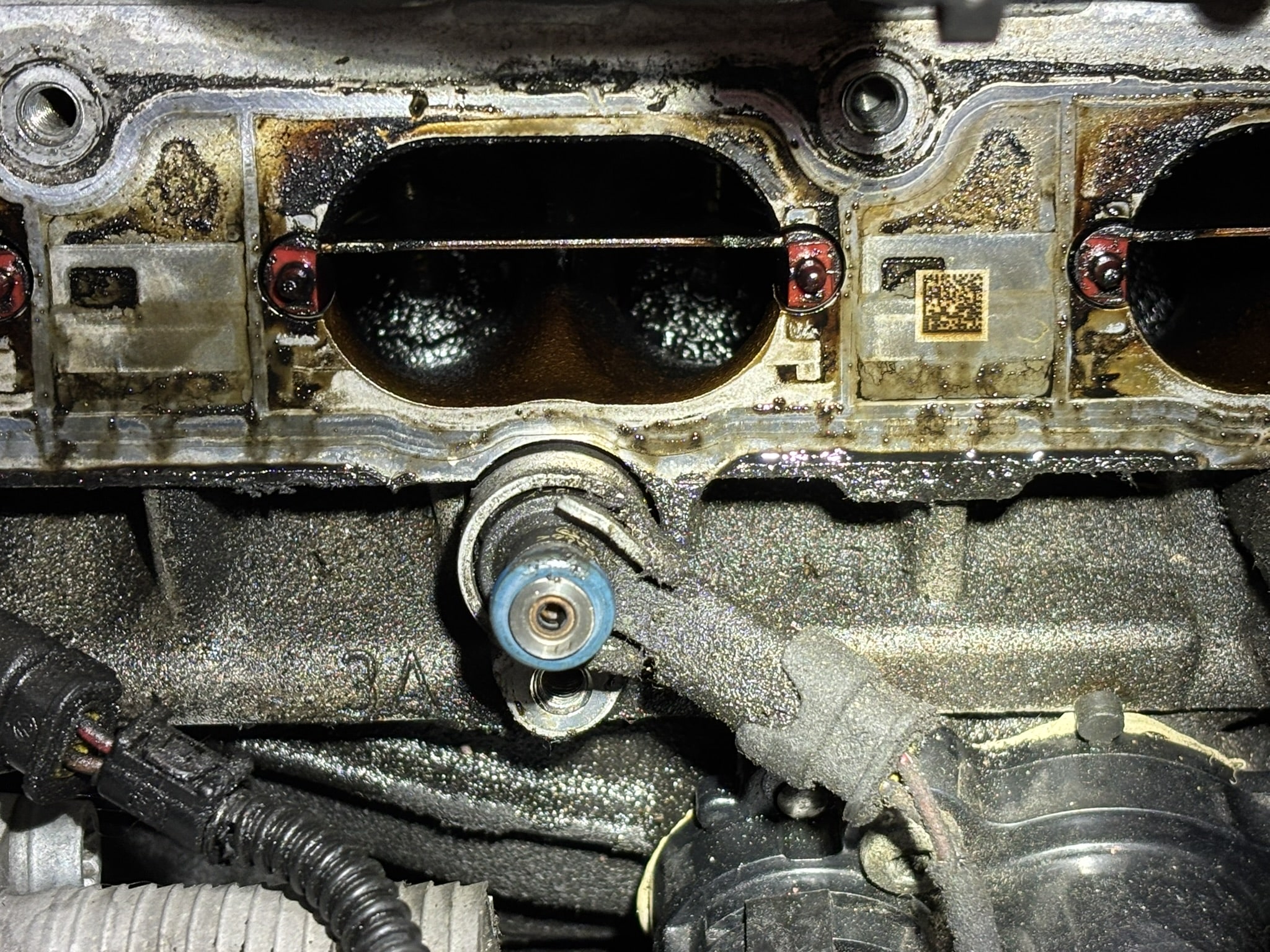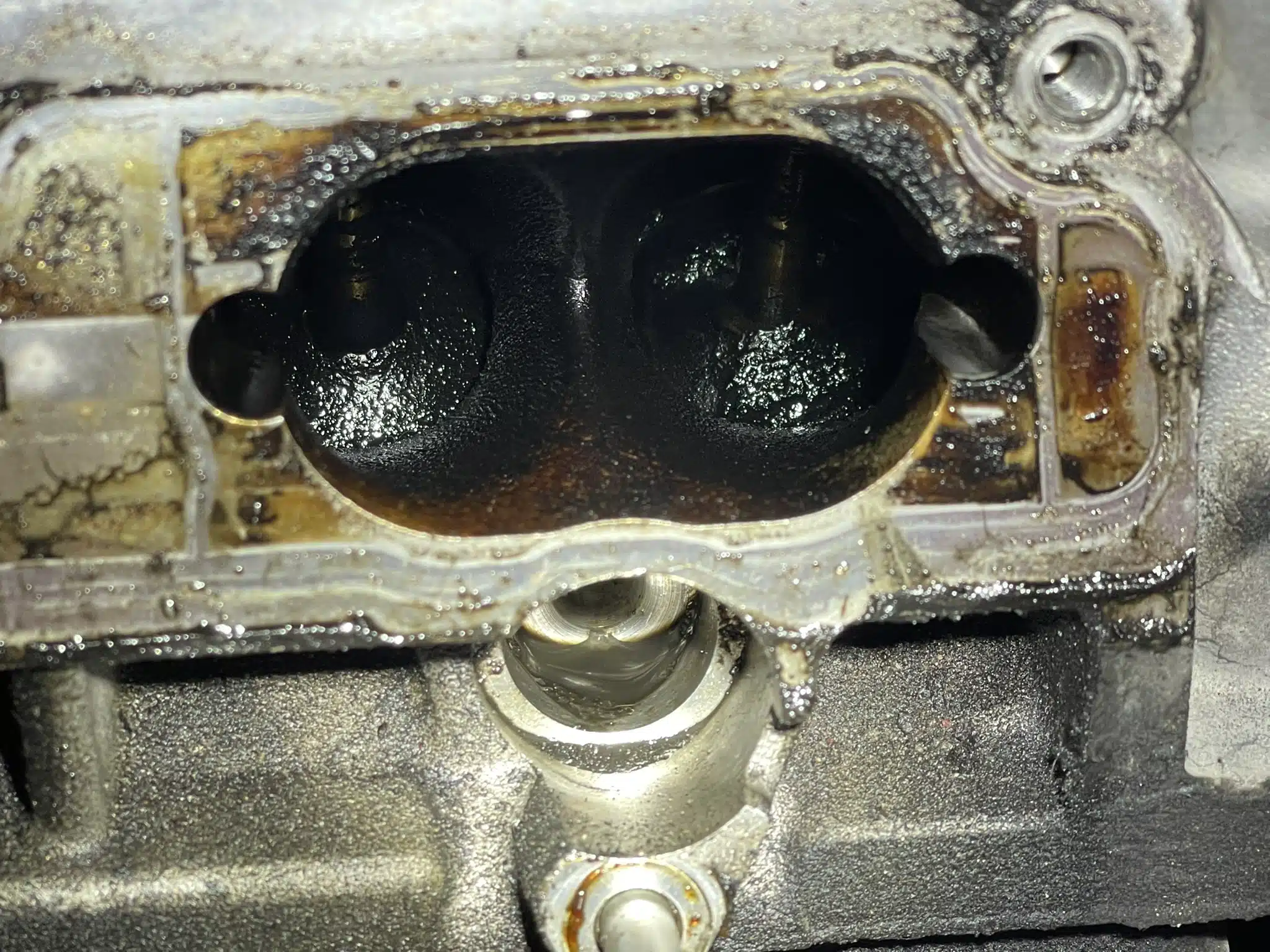

Preventative Maintenance – Avoid Diesel Injector Black Death
It’s a simple term, but too often customers don’t take it on board and how will you feel when you are told your vehicle has suffered the dreaded black death? Injector black death is a real problem and costs you big bucks to fix.
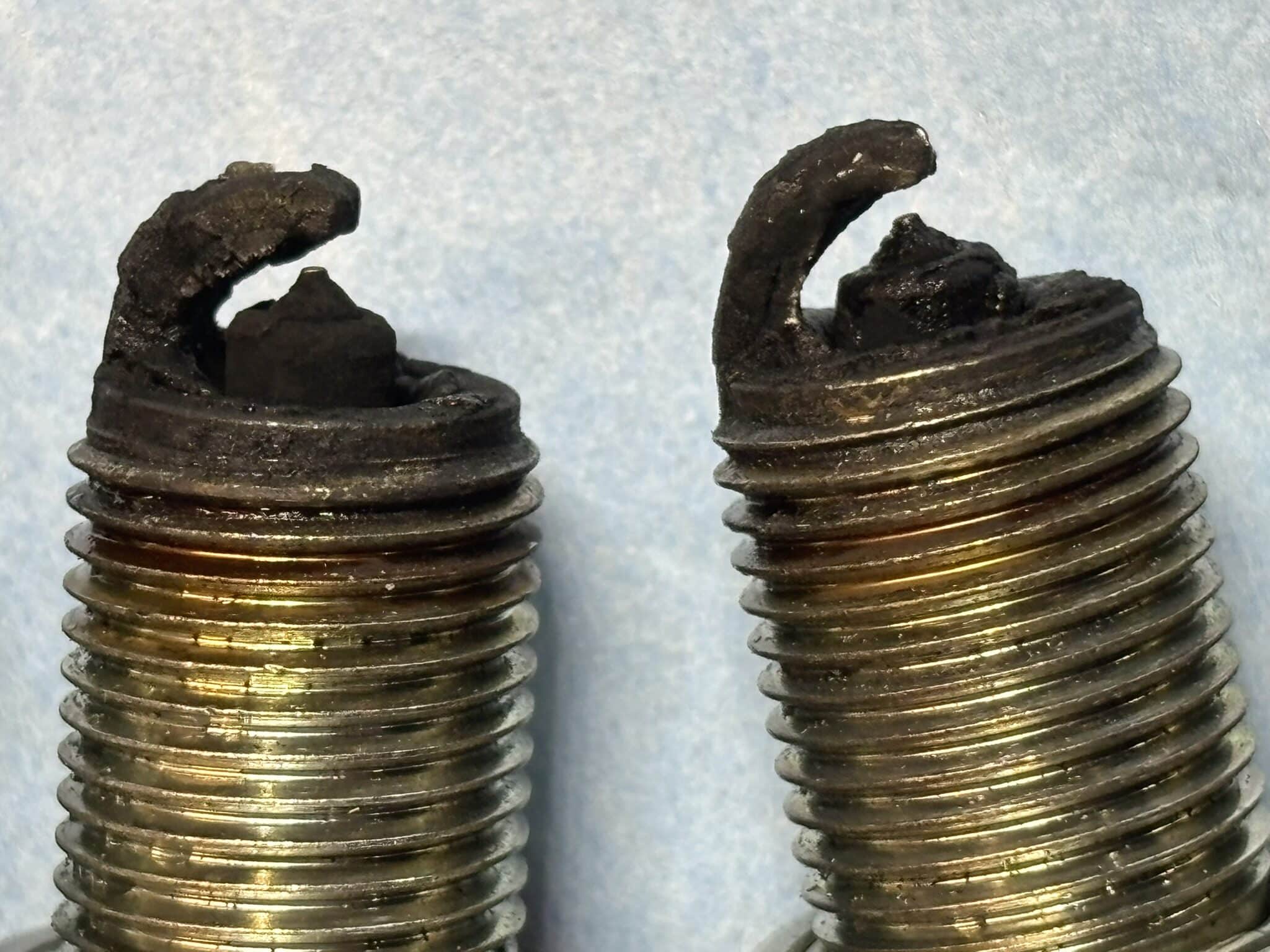
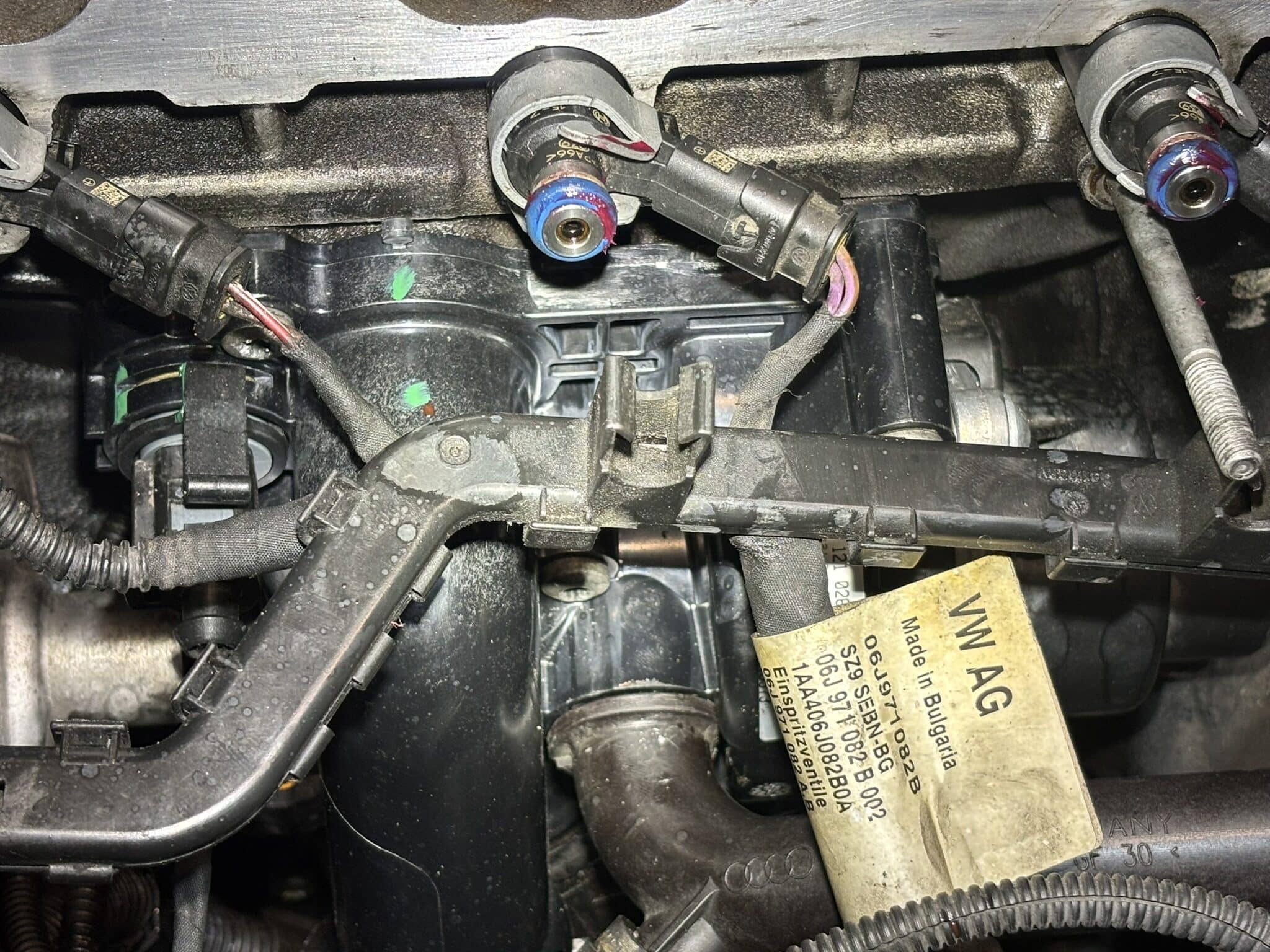
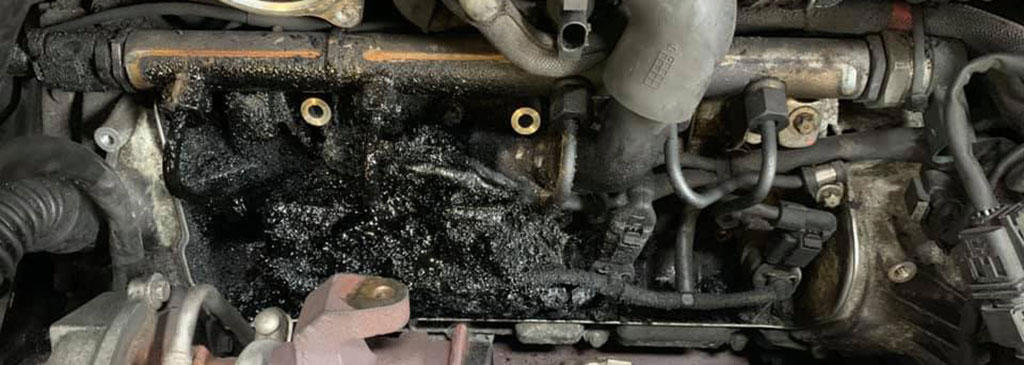
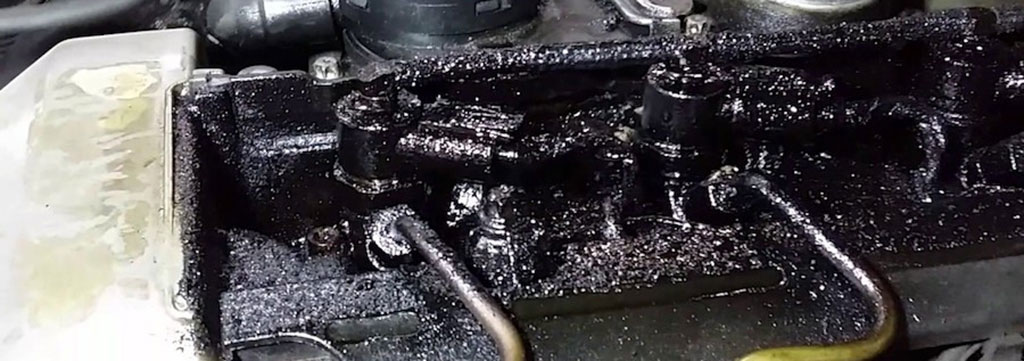
The term “Black Death” refers to a common issue in certain diesel engines, particularly in Mercedes vehicles, where injector seals fail, allowing unburnt diesel fuel and exhaust gases to escape. These gases are forced past the faulty seal and up the injector shaft during the engine’s compression and exhaust strokes. Over time, this leakage causes the area under the rocker cover to become coated with a sticky, carbon-like substance. If left untreated, the build-up worsens, potentially leading to severe engine damage or total failure.
What Causes Injector Seal Failures?
The root causes of the so-called Black Death in diesel injectors can often be traced to two key factors: the biofuel component in modern diesel and extended service intervals.
- Biofuel Residue – Diesel fuel with biofuel content can leave microscopic deposits within the injectors. Over time, these deposits accumulate and create partial blockages. This affects the spray pattern of the fuel injectors, increasing combustion pressure during ignition. The heightened pressure forces the injector tip away from its seat, compromising the seal between the injector and the sealing washer.
- Extended Service Intervals – Longer gaps between services can exacerbate these issues, allowing deposits to build up unchecked and increasing the risk of seal failure.
When the seal fails, the leakage causes the formation of the sticky carbon residue that characterises “Black Death.”
Mercedes-Benz Diesel Models
Mercedes vehicles are particularly notorious for Black Death, especially models equipped with their OM611, OM612, and OM646 engines. These engines are found in popular models like:
- C-Class (W203, W204)
- E-Class (W211, W212)
- ML-Class (W164)
- Sprinter Vans
These engines use copper sealing washers for the injectors, which can degrade over time due to high combustion pressures and biofuel residue.
Volkswagen and Audi (VAG Group)
The 1.9 TDI and 2.0 TDI engines found in many Volkswagen and Audi vehicles, including the Golf, Passat, A3, and A4, are known to experience similar injector seal failures. Their design often leads to carbon build-up if not maintained regularly, especially in models with higher mileage.
BMW Diesel Models
BMW’s M47 and N47 engines, commonly used in the 1-Series, 3-Series, and X3, are also susceptible. The N47, in particular, has been reported to suffer from injector issues due to long service intervals and poor-quality fuel, which accelerates residue build-up.
Peugeot and Citroën (PSA Group)
Peugeot and Citroën diesel engines, such as the 1.6 HDi and 2.0 HDi, frequently experience injector seal failures. These engines are found in models like the Peugeot 308, 407, and Citroën C4. The small engine bays in these vehicles can make the problem worse by trapping heat and carbon build-up.
Ford Diesel Models
Ford’s 2.0 TDCi and 1.5 TDCi engines, found in models like the Focus, Mondeo, and Transit vans, are also at risk. Injector seal issues can lead to carbon fouling, particularly if servicing is neglected.
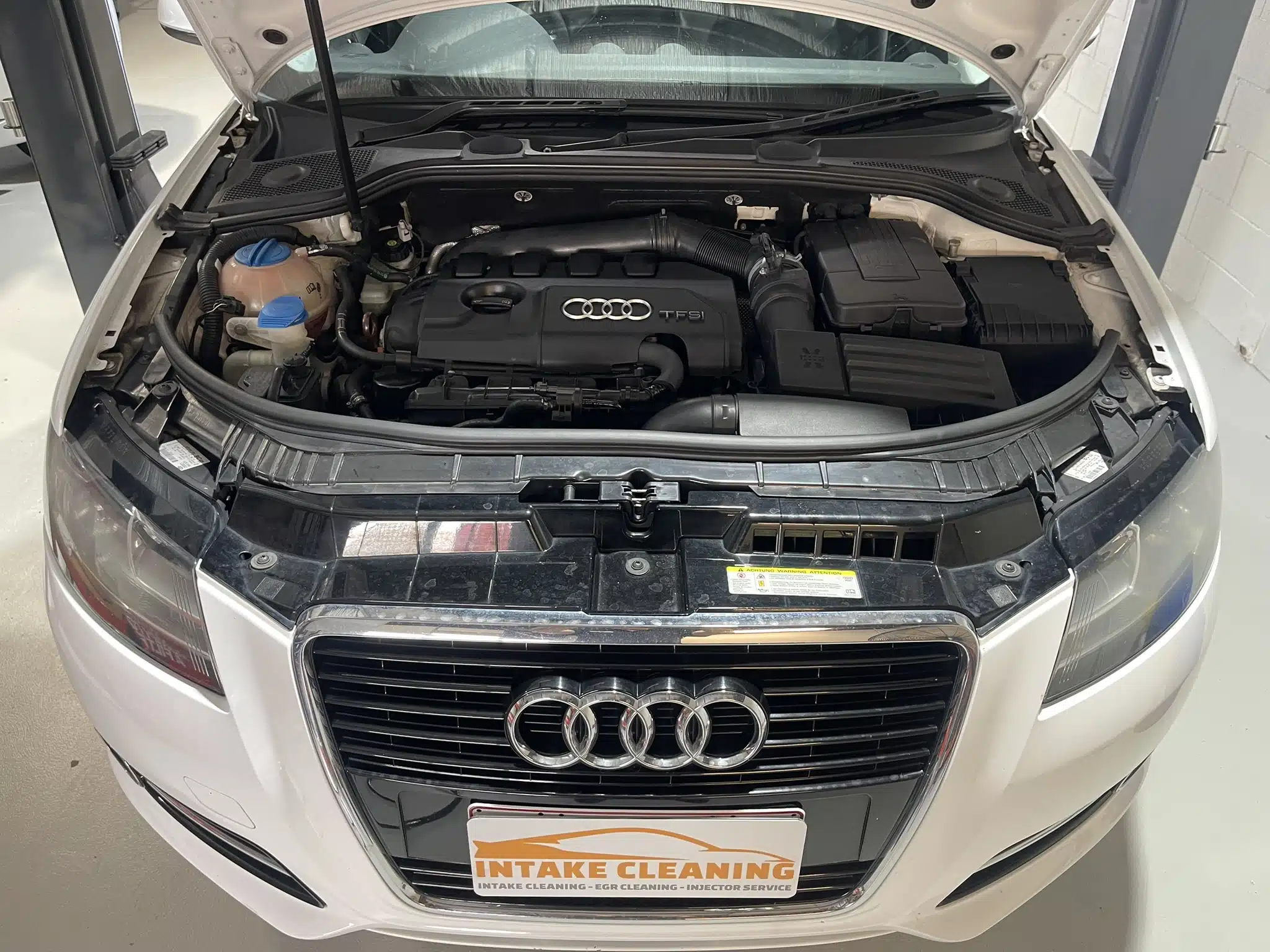
CARBON REMOVAL GALLERY

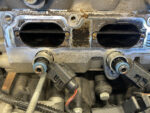
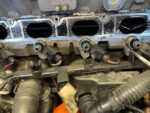


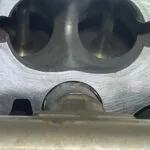
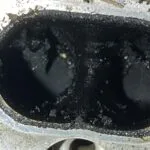
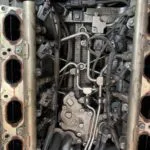

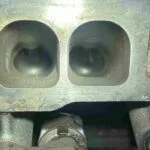
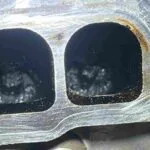
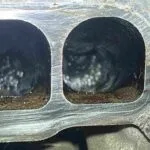

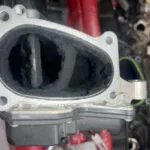

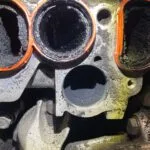
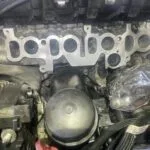
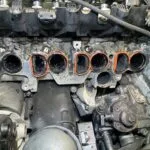
Preventing Black Death in Diesel Injectors
Regular servicing and preventative maintenance are essential in reducing the likelihood of injector seal failure. Using ahigh-quality diesel treatment, such as Forte’s specialised solution, can help remove biofuel deposits from injectors, improving fuel efficiency and ensuring smoother engine performance.
At Intake Cleaning, we recommend regular injector servicing and applying fuel treatments during routine maintenance to keep your diesel engine in optimal condition.
More than intake cleaning
We specialise in European cars

Audi A5 Carbon Buildup Intake Cleaning
Are you experiencing issues with the performance or reliability of your car? Book in for our diagnostic service where we can determine exactly whats wrong with your vehicle. We offer more services that just intake cleaning, injector cleaning & service, EGR valve cleaning, oil catch can installation. ECU Tuning. We offer a broad selection of specialised services for European cars like BMW, Mercedes and Audi. If you have had issues elsewhere, come and see us, we specialise in diagnosing problematic issues. Contact us today.
Does Black Death in Diesel Injectors Affect Other Vehicles?
While Mercedes diesel engines are particularly notorious for this issue due to design factors, other diesel vehicles, including models from Volkswagen, Audi, BMW, Ford, and Peugeot, have also been reported to suffer from similar problems. Injector seal failures are not exclusive to any single manufacturer, especially with the increasing use of biofuel in diesel.
For any diesel engine, proactive maintenance and addressing minor injector issues early can save you from significant repair costs later. Reach out to Intake Cleaning to learn more about how we can help keep your vehicle running smoothly.
Why Are Some Models More Affected?
- Engine Design: Engines with tightly packed components can suffer more from trapped heat, which exacerbates injector seal degradation.
- Material Choice: Copper sealing washers are commonly used but can deform over time under high pressures.
- Service Intervals: Extended service intervals, as recommended by many manufacturers, contribute to residue build-up and eventual seal failure.
- Injector Location: Models with injectors buried deep in the cylinder head are more prone to carbon build-up, making cleaning and repairs more challenging
Prevention and Maintenance
No matter the make or model, regular maintenance is key to avoiding Black Death in diesel injectors. Here’s how to reduce the risk:
- Use high-quality diesel fuel and additives to minimise biofuel residue.
- Follow recommended service intervals or shorten them for high-mileage vehicles.
- Clean injectors and replace seals as soon as issues arise.
- Check for early signs of leakage, such as a tar-like smell or visible black residue around the injectors.
At Intake Cleaning, we specialise in removing carbon build-up and restoring the health of diesel engines. Contact us for a consultation to keep your vehicle running at its best!