The History of Walnut Shell Blasting and BMW’s Role
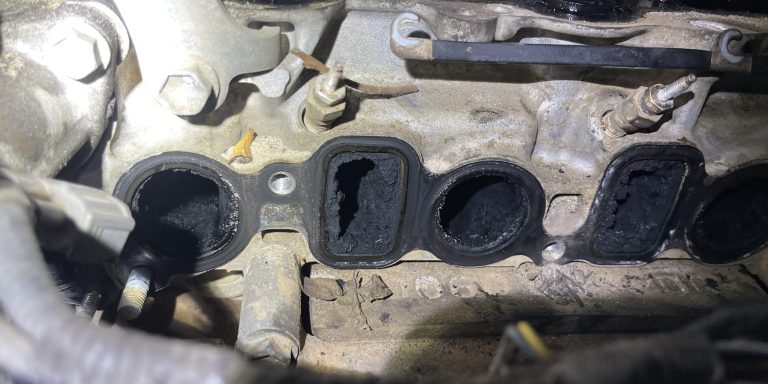
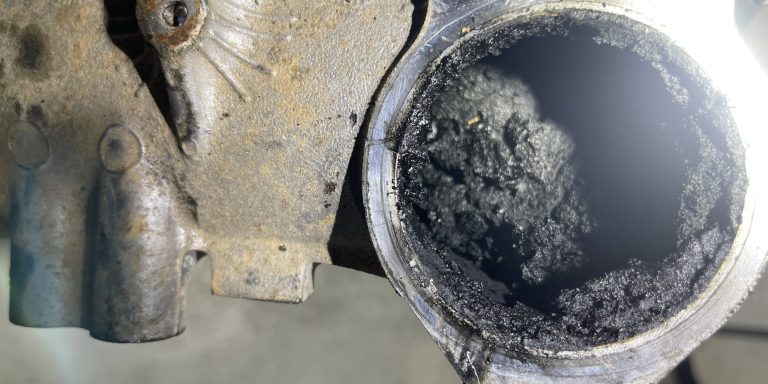
Walnut shell blasting has long been a trusted method for cleaning carbon deposits from intake valves. Its roots in the automotive industry date back to the mid-1980s, when BMW encountered significant issues with intake valve deposits in certain engines. The culprit? The substandard fuels available in the U.S., lacked the detergents needed to prevent carbon buildup. This problem was especially pronounced in BMW’s advanced fuel injection systems, where even minor deposits caused noticeable performance issues.
To address the crisis, BMW launched a large-scale engine service campaign in the U.S., employing walnut shell blasting to remove carbon deposits and restore engine performance. This method proved so effective, precise, and safe for sensitive engine components that it quickly became an industry standard.
BMW’s Contribution to Engine Cleaning Standards
BMW’s experience with walnut shell blasting didn’t just solve the problem—it set a precedent. The automaker went on to develop the Intake Valve Deposit Test, which became a benchmark for evaluating and addressing carbon buildup in engines. Today, walnut shell blasting remains a BMW-recommended method for intake cleaning, especially for engines equipped with direct injection technology. Other automakers have since adopted this method, cementing its reputation as the gold standard for intake system cleaning.
Modern Relevance of Walnut Shell Blasting
As direct injection engines have become more common, carbon buildup on intake valves has resurfaced as a significant issue. Unlike traditional port injection engines, where fuel passes over the intake valves and helps clean them, direct injection engines deliver fuel directly into the combustion chamber, leaving the intake valves vulnerable to carbon accumulation.
Walnut shell blasting provides a comprehensive solution, thoroughly cleaning intake valves and restoring optimal engine performance. It’s not just an effective cleaning method—it’s the most reliable and engine-safe solution for modern vehicles.
Limitations of Pyrolysis Hydrogen Gas and Chemical-Based Processes
Pyrolysis Hydrogen Gas Cleaning:
Advantages of Walnut Shell Blasting
Why Choose Intake Cleaning for Walnut Shell Blasting?
At Intake Cleaning, we specialise in professional walnut shell blasting services to eliminate carbon buildup from your engine’s intake system. Here’s what sets us apart:
The Bottom Line
Regular maintenance with walnut shell blasting is key to maintaining engine performance, improving fuel efficiency, and extending the life of your vehicle. Unlike pyrolysis hydrogen gas or chemical-based processes, walnut shell blasting provides a safe, thorough, and eco-friendly solution for tackling carbon buildup.
If you’re experiencing reduced performance, increased fuel consumption, or rough idling, it’s time to give your engine the care it deserves. At Intake Cleaning, we uphold the tradition of excellence with our professional walnut shell blasting services.
Experiencing engine performance issues? Why not contact us today.