No cars are more Aussie than the Holden Commodore and Ford Falcon. These vehicles represent a legacy of Australian ingenuity, beloved by generations. Even after the closure of Holden’s manufacturing in 2017 and Ford’s earlier exit, they remain cherished icons on our roads.
However, holding onto these vehicles comes with challenges. While their emotional and cultural value is undeniable, the environmental cost of maintaining older cars can’t be ignored.
Ford and Holden lead emissions among the top-selling brands in Australia, with averages of 227.3 g/km and 233.4 g/km, respectively. While these figures reflect a range of vehicles, older models like the Commodore and Falcon contribute significantly due to their larger engines and less efficient technologies.
According to the National Transport Commission’s (NTC) “Light Vehicle Emissions Intensity in Australia: Trends Over Time” report, the average emissions intensity for all vehicles on Australian roads as of January 2024 was 193.7 grams per kilometre (g/km), comparable to the emissions levels of new cars sold a decade ago. The report also highlights that larger vehicles, particularly utes, continue to grow in size, with the average footprint of light vehicles increasing by 6% from 2003 to 2023. View the key highlights of the report here.
Furthermore, Australia’s emissions intensity from new passenger vehicles remains higher than that of many developed countries, including the United States and Canada, and significantly higher than the average of European countries. Maintaining the longevity and environmental performance of iconic Australian vehicles like the Holden Commodore and Ford Falcon requires diligent maintenance practices
The Role of Maintenance in Reducing Emissions
Maintaining these icons isn’t just about keeping them on the road—it’s about ensuring they run efficiently and responsibly.
For Direct Injection Models
Some later-model Commodores, such as the VE and VF series with SIDI (Spark Ignition Direct Injection) engines, and certain turbocharged Falcons, like the Barra 270T in the FPV range, feature direct injection.
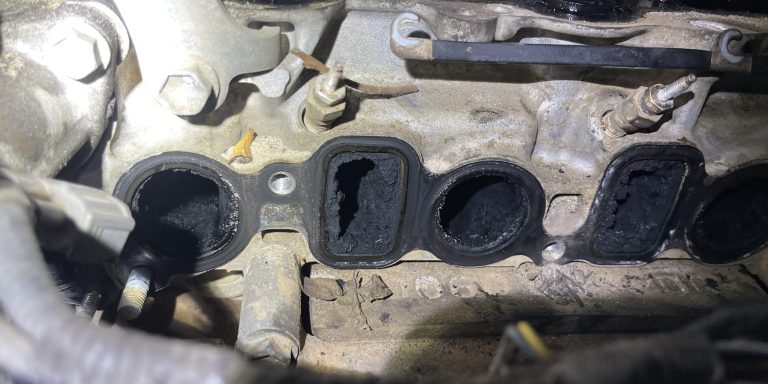
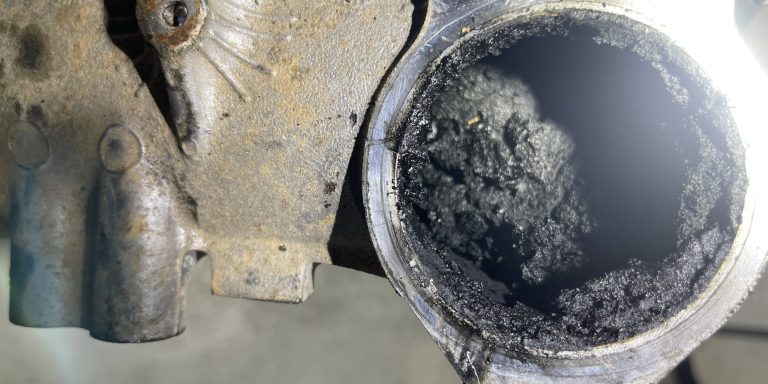
Direct injection engines are particularly prone to carbon build-up on intake valves because fuel does not pass over the valves to clean them. This build-up reduces airflow, compromises combustion efficiency, and increases emissions.
Regular intake cleaning for these models, using methods like walnut shell blasting or chemical cleaning, is essential to restore performance and lower emissions.
For Non-Direct Injection Models
The majority of earlier Commodores and Falcons feature port injection or carburetted engines, which are less susceptible to intake valve carbon build-up. However, they require ongoing general maintenance to ensure they run efficiently.
Key steps include:
Broader Methods for Lowering Emissions
Regardless of the engine type, there are universal practices that can help reduce emissions:
Why It Matters
Keeping the Holden Commodore and Ford Falcon on the road is about more than preserving history—it’s a commitment to responsible car ownership. Regular maintenance, whether it’s intake cleaning for direct injection models or tuning and servicing for others, ensures these cars perform at their best while minimising their environmental impact.
A Balanced Future for Aussie Motoring
Australia’s love affair with iconic vehicles like the Commodore and Falcon is unlikely to fade, but it comes with a responsibility. By prioritising maintenance, adopting cleaner driving habits, and investing in technologies that reduce emissions, owners of these classics can honour their legacy while contributing to a more sustainable future.