One of the single most conditions that effects modern vehicles
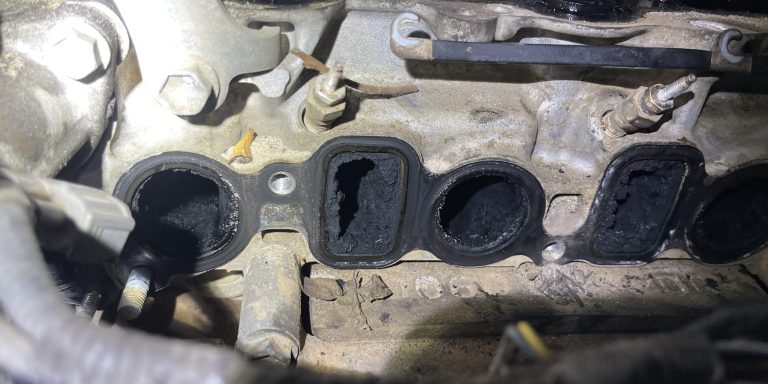
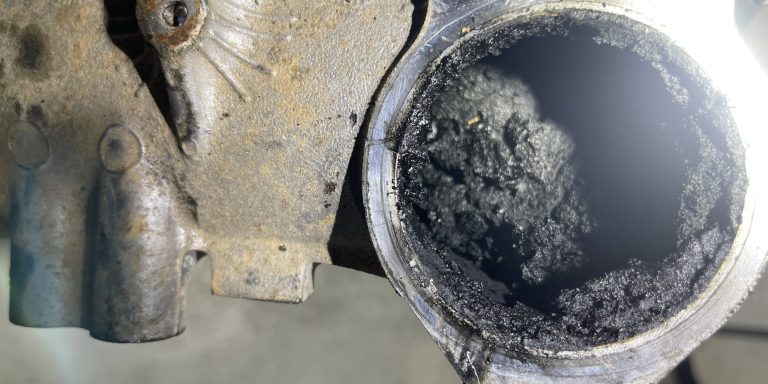
In today’s world of modern engines, especially those featuring direct fuel injection (DFI) like BMW, Audi, Volkswagen TSI, FSI, TFSI, GTI, and most diesel engines. One common issue plaguing high-performance vehicles is carbon buildup. This buildup, which forms in the intake ports, is a result of the direct injection technology. Fuel is injected directly into the combustion chamber, bypassing the intake valves. While this improves fuel efficiency and power, it unfortunately allows carbon to accumulate on the intake valves. Over time, this leads to reduced engine performance, increased fuel consumption, rough idling, and in some cases, complete engine misfires.
Sluggish Performance
If you’ve noticed your engine feeling sluggish, experiencing power loss, or simply not running as smoothly as it once did, it’s likely time to consider an Intake Port Cleaning Service using the Walnut Shell Blasting method effectively removing carbon buildup from the intake port system. Here’s why this service is a game-changer for modern engines.
Why Carbon Buildup is a Problem for Direct Injection Engines
Direct injection engines, like those in BMW, Audi, Volkswagen TSI, FSI, TFSI, and GTI models, offer tremendous benefits, including better fuel efficiency and increased performance. However, the very design that makes them so efficient also contributes to carbon buildup. In a traditional port injection system, fuel is sprayed directly over the intake valves, which helps wash away any carbon deposits. However, in direct injection engines, the fuel is injected directly into the combustion chamber, bypassing the intake valves entirely. This means carbon buildup on the intake valves and ports is inevitable.
Place A Cloth Over Your Mouth & Try To Breath
When carbon builds up in the intake manifold, it restricts airflow to the engine, causing a drop in power, fuel economy, and overall engine performance. In severe cases, carbon buildup can even cause misfires or engine stalling. This problem becomes particularly pronounced in turbocharged engines like those found in the TSI and TFSI models, where higher pressure and heat accelerate carbonization.
What is Intake Port Carbon Removal?
Intake Port Carbon Removal with Walnut Shell Blasting
A revolutionary, non-invasive method for cleaning the intake ports of modern direct injection engines. This process uses crushed walnut shells as a medium, blasting into the intake manifold and intake ports using pressurised air. The walnut shells are abrasive enough to safely remove stubborn carbon deposits without damaging sensitive engine components.
The Walnut Shell Blasting Process
Why Choose Walnut Shell Blasting?
While there are other methods of cleaning intake manifolds, such as chemical treatments or using a borescope and scraping, walnut shell blasting is the only truly effective method that doesn’t require you to remove the cylinder head. It is fast, efficient, and most importantly, it won’t compromise your engine. Walnut shell blasting has been proven to restore engine performance, reduce fuel consumption, and extend the lifespan of your vehicle’s engine.
A Clean Engine Equals Better Performance
If you own a modern direct injection vehicle like a BMW, Audi, Volkswagen, or any other turbocharged engine, and you’re experiencing a loss of power, rough idling, or poor fuel economy, walnut shell blasting may be the solution. Restore your engine’s efficiency and power with a thorough intake manifold cleaning service using walnut shell blasting, and drive with confidence knowing your engine is in peak condition.
Schedule Your Intake Port Carbon Removal Today!
Don’t let carbon buildup rob your engine of its performance. Contact us today to schedule your intake port carbon clean service. Our skilled technicians are ready to help restore your engine’s performance and get you back on the road with improved power and efficiency. Keep your engine running smoothly and prolong its lifespan with the only effective intake manifold cleaning service available!