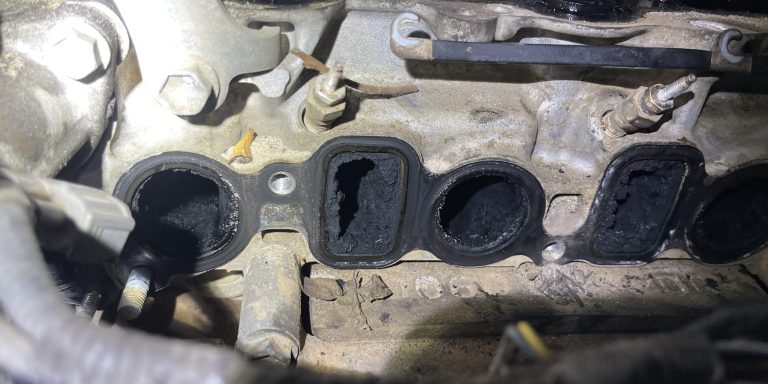
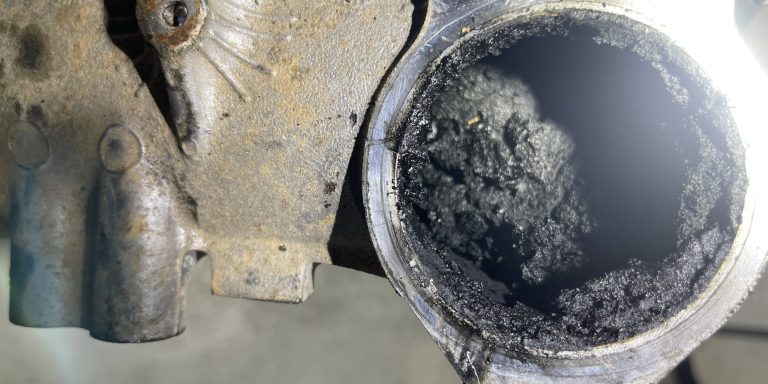
What is Carbon Buildup?
Carbon buildup is the accumulation of combustion byproducts, oil vapours, and unburned fuel on engine components, especially intake valves. This is particularly problematic for direct injection engines, where fuel bypasses intake valves and doesn’t clean them.
Impact of Australian Driving Conditions
Why congestion increases carbon buildup
Start-stop traffic and congestion can contribute to carbon buildup in modern engines primarily due to operating conditions that promote inefficient combustion and insufficient exhaust scavenging. Here’s a detailed explanation of how this happens:
Mitigating Carbon Buildup
To reduce the effects of stop-and-go traffic on carbon buildup:
Addressing carbon buildup can significantly extend the life of your engine and maintain its performance.
Walnut Shell Blasting: The Ultimate Carbon Cleaning Solution
What is Walnut Shell Blasting?
Walnut shell blasting uses crushed walnut shells propelled by compressed air to remove carbon deposits without damaging metal surfaces.
History and Use
The origins of walnut shell blasting date back to the mid-20th century, when industries began seeking more controlled and less abrasive methods for cleaning delicate parts, such as engine components, without damaging their surfaces. The use of walnut shells was a natural evolution of abrasive media, as the hard yet relatively soft nature of walnut shells provided a good balance of effectiveness without being too aggressive.
Environmentally Friendly
The concept of walnut shell blasting likely emerged in the 1950s to 1960s, but it’s difficult to pinpoint exactly who first invented or commercialised it. The walnut shell as a blasting material was considered ideal for precision cleaning, especially in industries where delicate or intricate parts were involved.
Key Manufacturers and Development
The commercial development of walnut shell blasting was pioneered by a few key companies in the mid-20th century, particularly in the United States. Some notable players in the development and promotion of walnut shell blasting include:
Key Benefits and Uses
Walnut shell blasting gained popularity because it was less harsh compared to traditional abrasives like sand, and itprovided a cleaner, more polished finish. Some of the advantages that helped walnut shell blasting to become widely adopted include:
Modern Applications
Today, walnut shell blasting is widely used in several industries, including:
How Injector Service Works
Oil Catch Can Installation: Prevention Over Cure
What is an Oil Catch Can?
An oil catch can is a device that intercepts oil vapours before they can re-enter the intake system. This reduces carbon buildup, especially in turbocharged engines.
Benefits of Installing an Oil Catch Can
Vehicles and Engines Commonly Affected in Australia
Volkswagen and Audi
Toyota Landcruiser and Hilux
- Engines: Lambda II, Theta II.
- Models: Hyundai Stinger, Kia Sportage, Sorento.
Carbon Buildup – Why Choose Intake Cleaning?
- Comprehensive Services: Walnut shell blasting, injector servicing, and oil catch can installation tailored to Australian conditions.
- Experienced Team: Years of expertise in handling Australia’s most popular vehicles.
- Eco-Friendly Solutions: Biodegradable cleaning methods and preventative installations.
Contact Us Today
Australia’s unique driving conditions and vehicle preferences make engine maintenance a priority. Whether you’relooking to restore performance with walnut shell blasting, optimise fuel delivery with injector servicing, or prevent future issues with an oil catch can, Intake Cleaning provides the expertise and tools you need to address carbon buildup in your engine. Contact us today to keep your engine running like new!